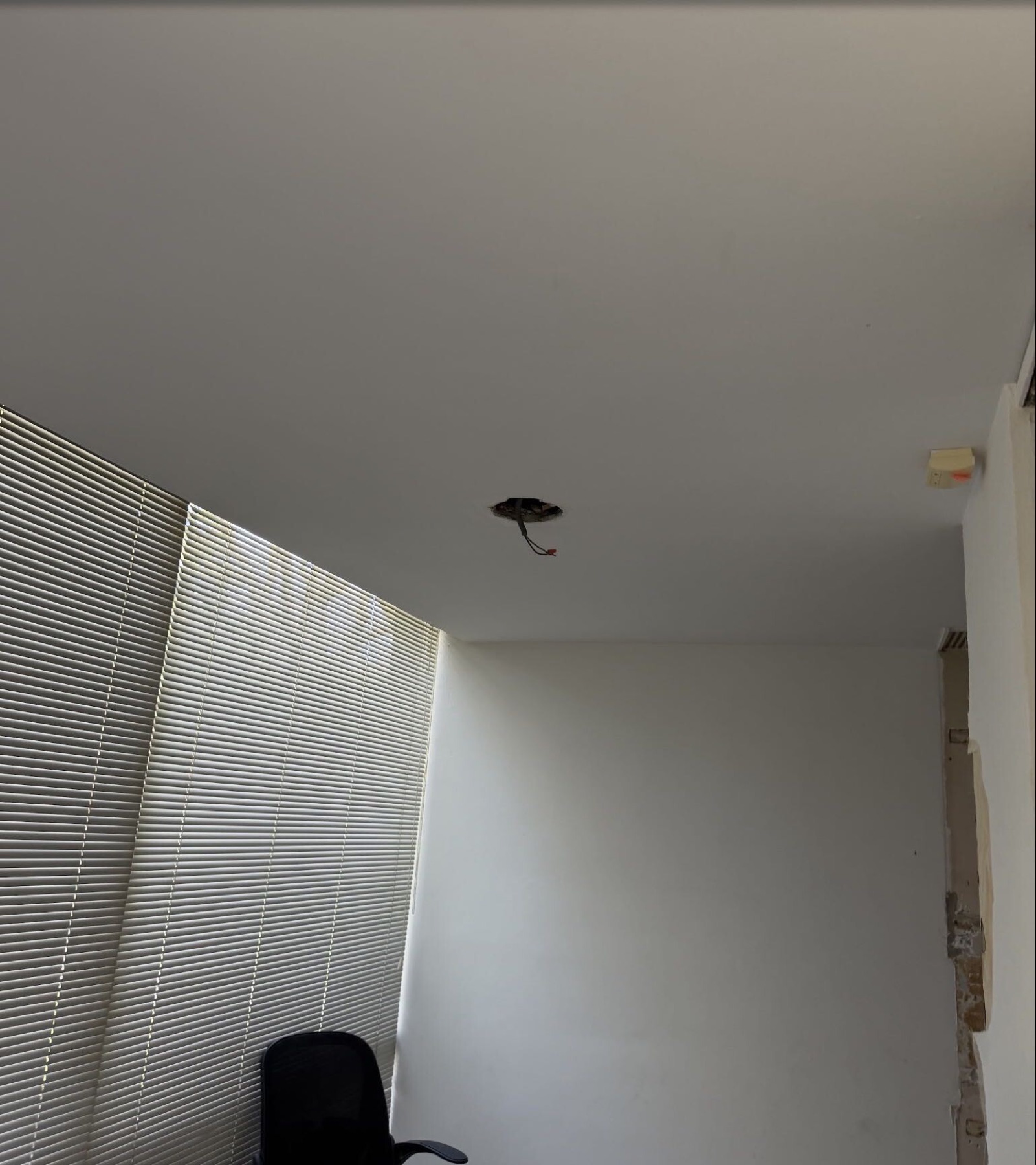
The public summary reflects the latest visible Buildertrend Daily Logs through Aug 14, 2026 and names the kitchen, powder room, basement bathroom, second-floor bathroom, living room, and basement / lower level so the scope reads as a whole project rather than a basement-only sequence.
Room notes are evidence-indexed summaries. Private costs, billing details, restricted exports, and owner-only operational records remain excluded.
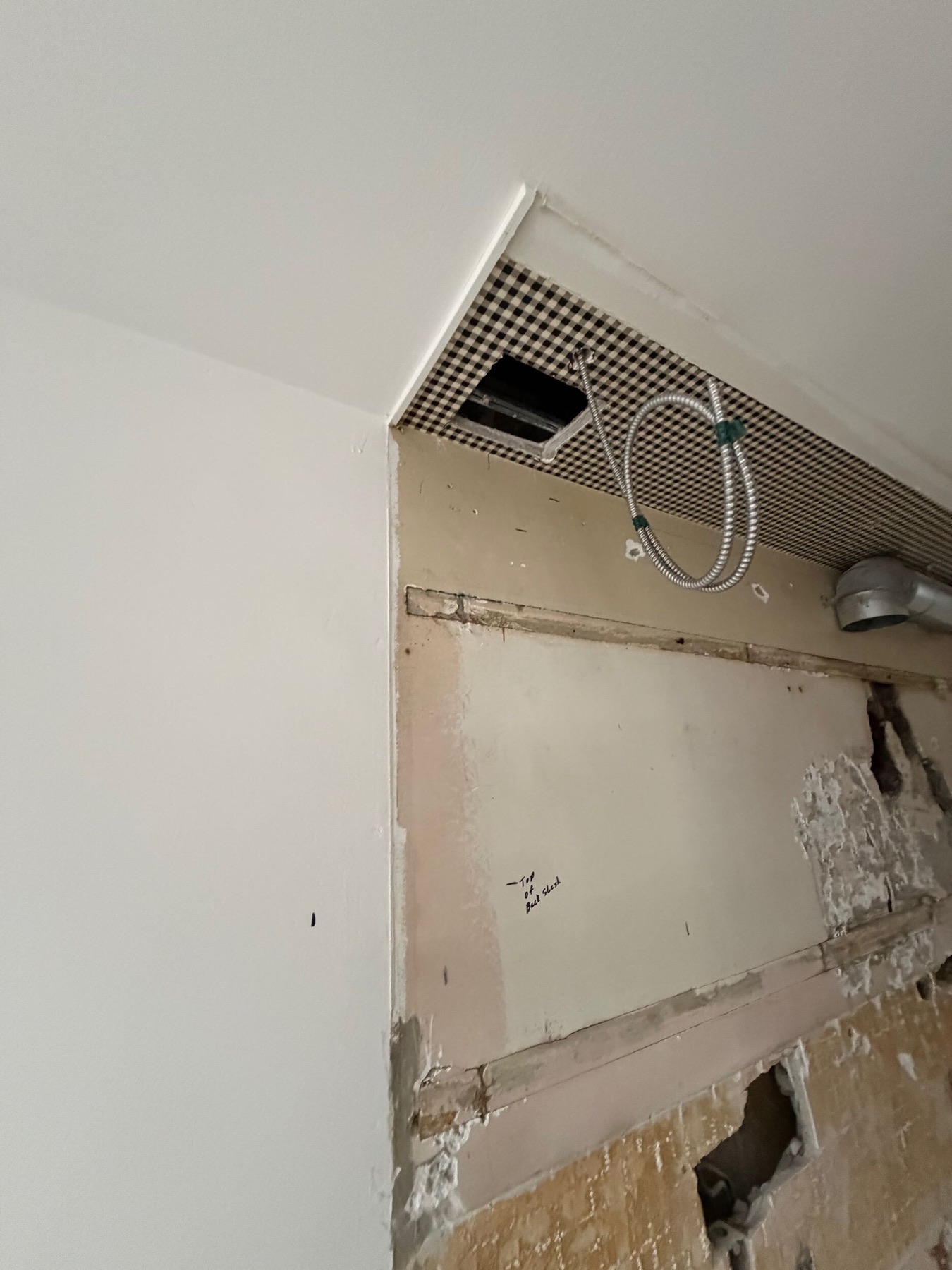
KitchenKitchen drawings and fixture selections are indexed; remaining plaster repair follows removal of the wood nailer.
Powder roomPowder room fixture selections are included in the public-safe project record.
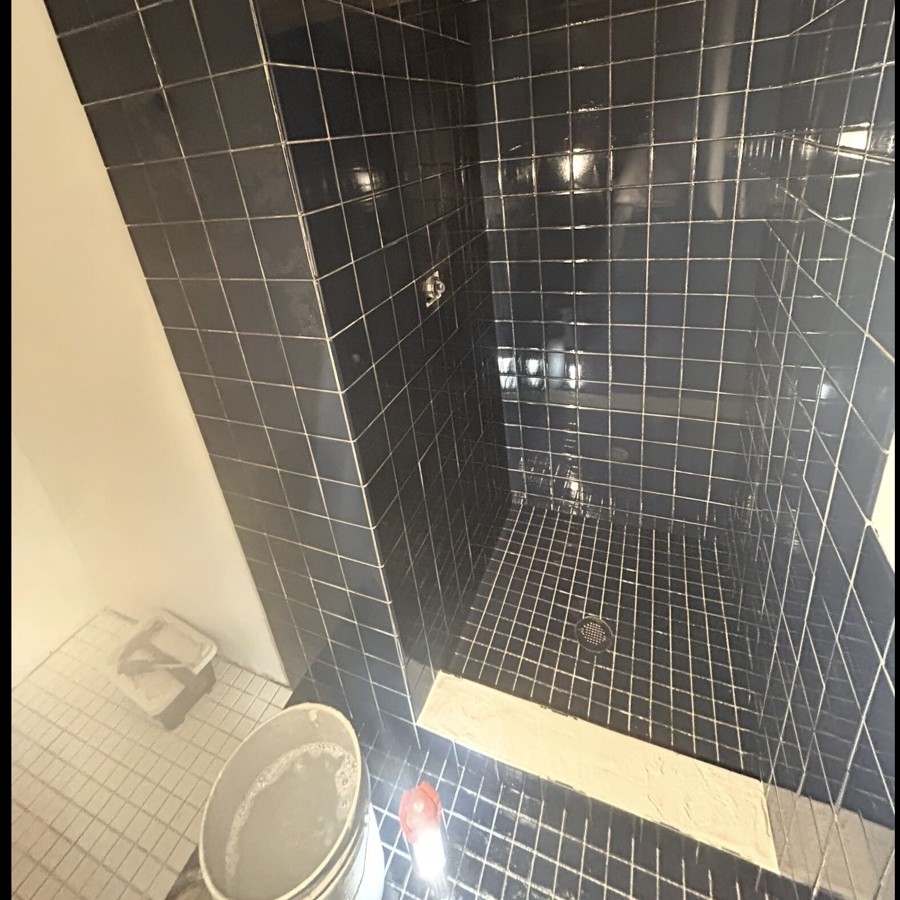
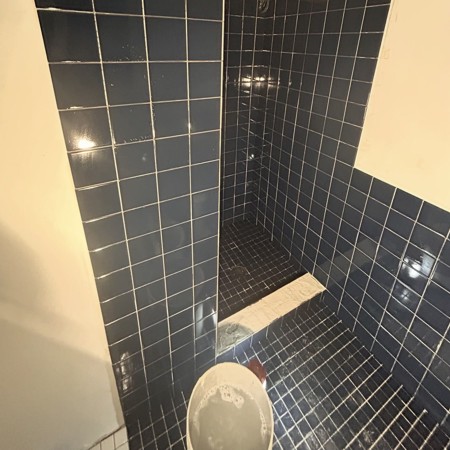
Basement bathroomFloor and shower tile are complete in the latest progress record, with tile photos included below.
Second-floor bathroomFloor tile is installed; bath fixture selections are indexed in the project record.
Living roomLiving room plane and ceiling conditions are part of the documented interior sequence.
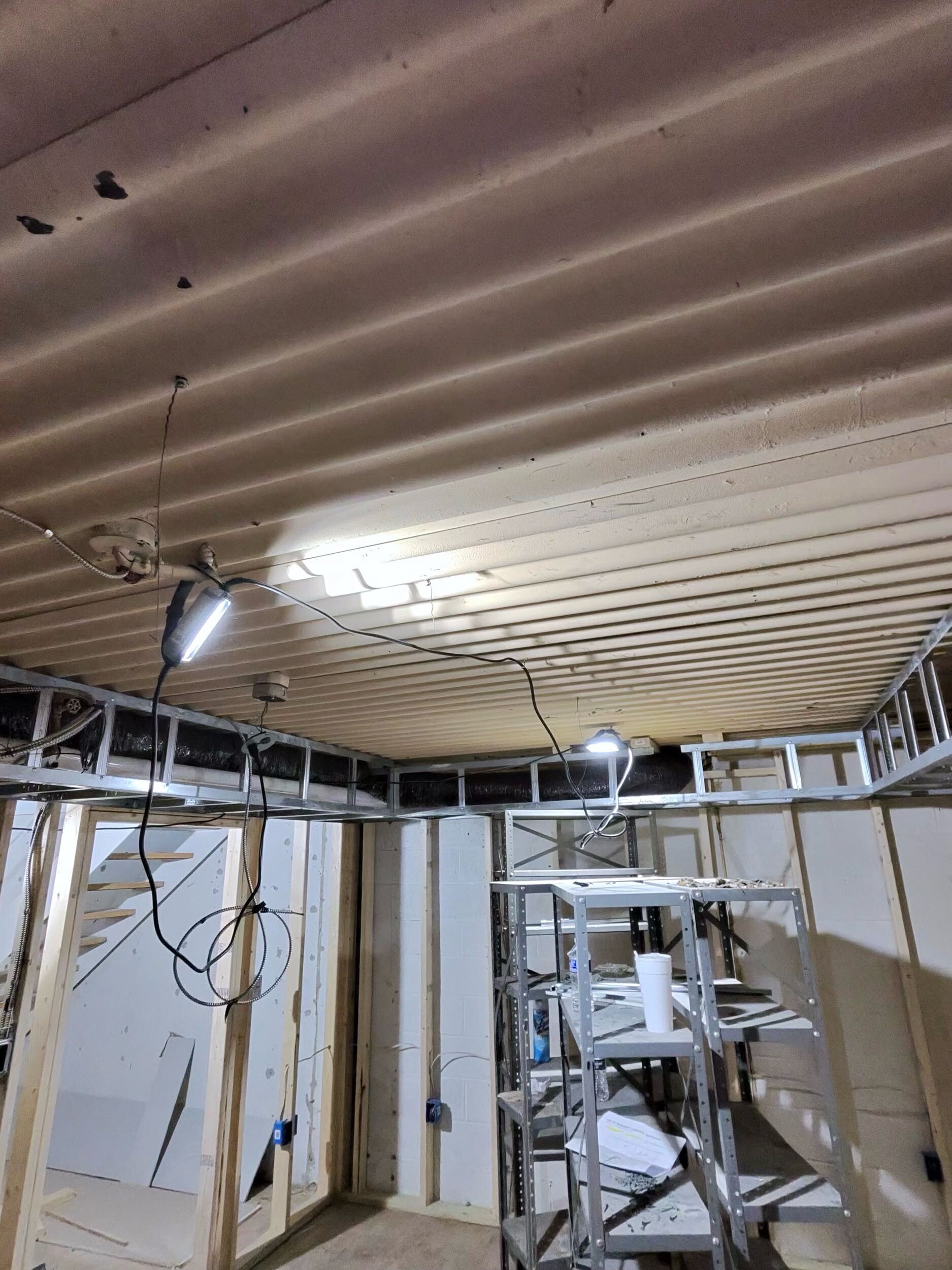
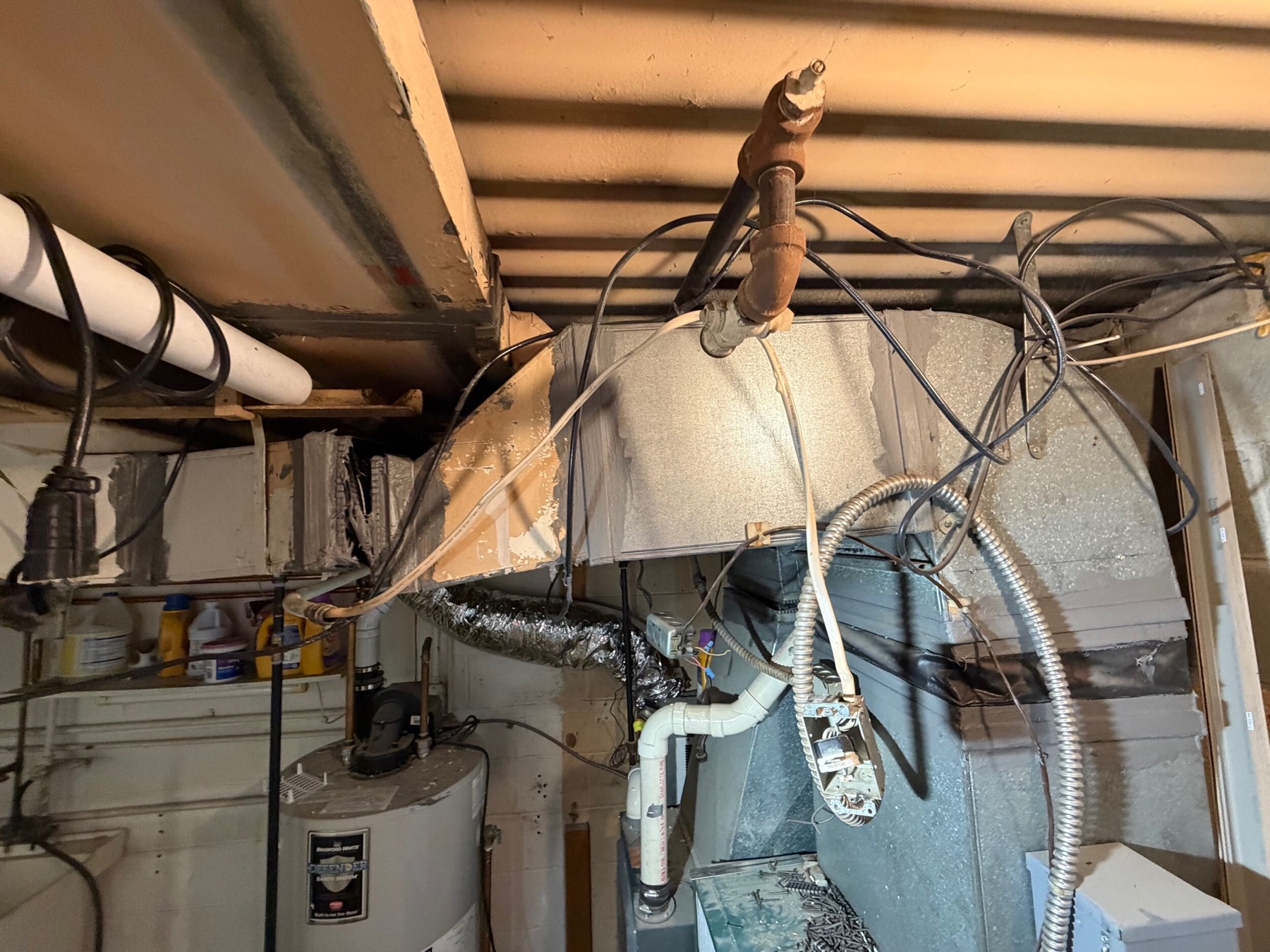
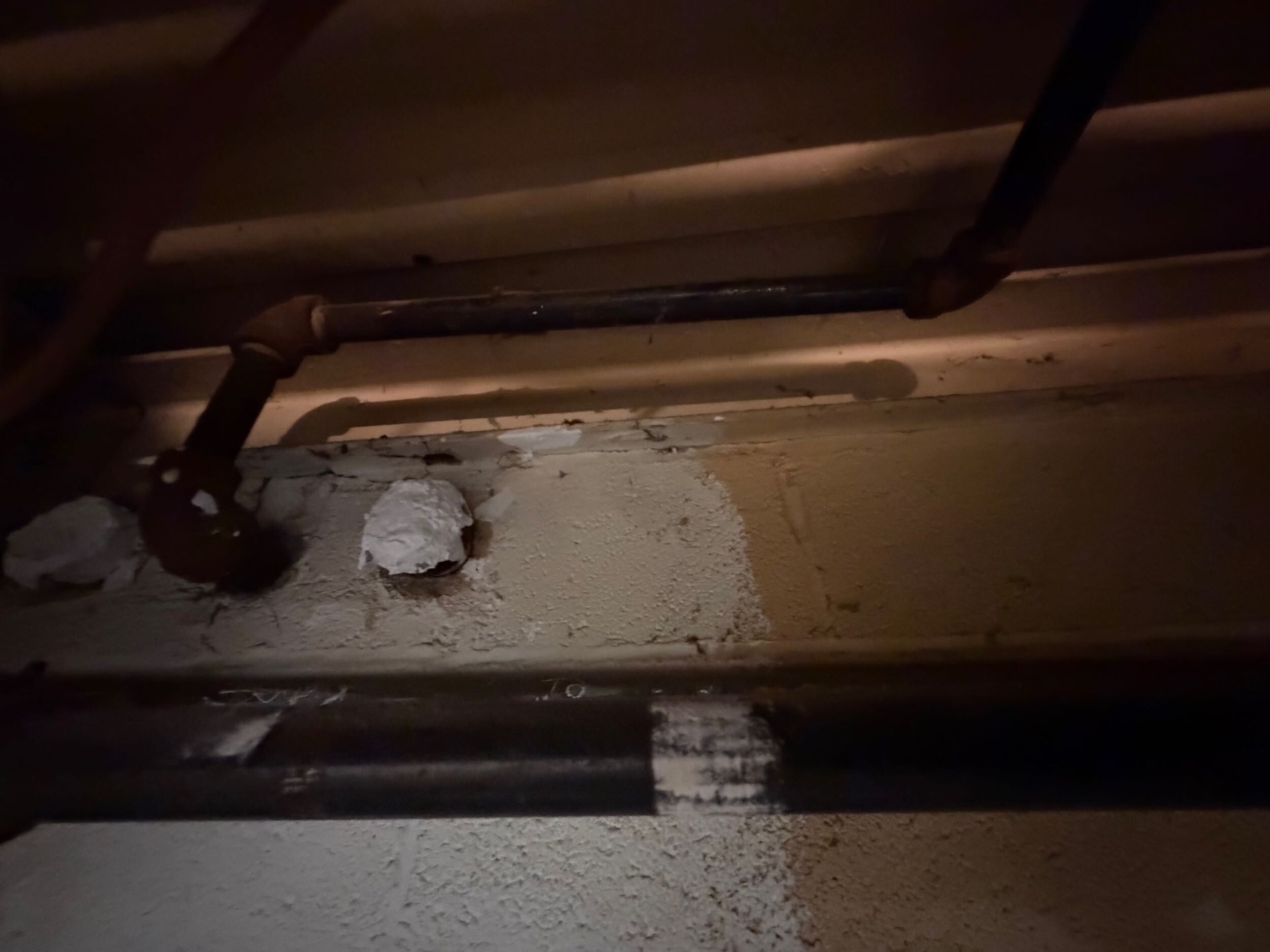
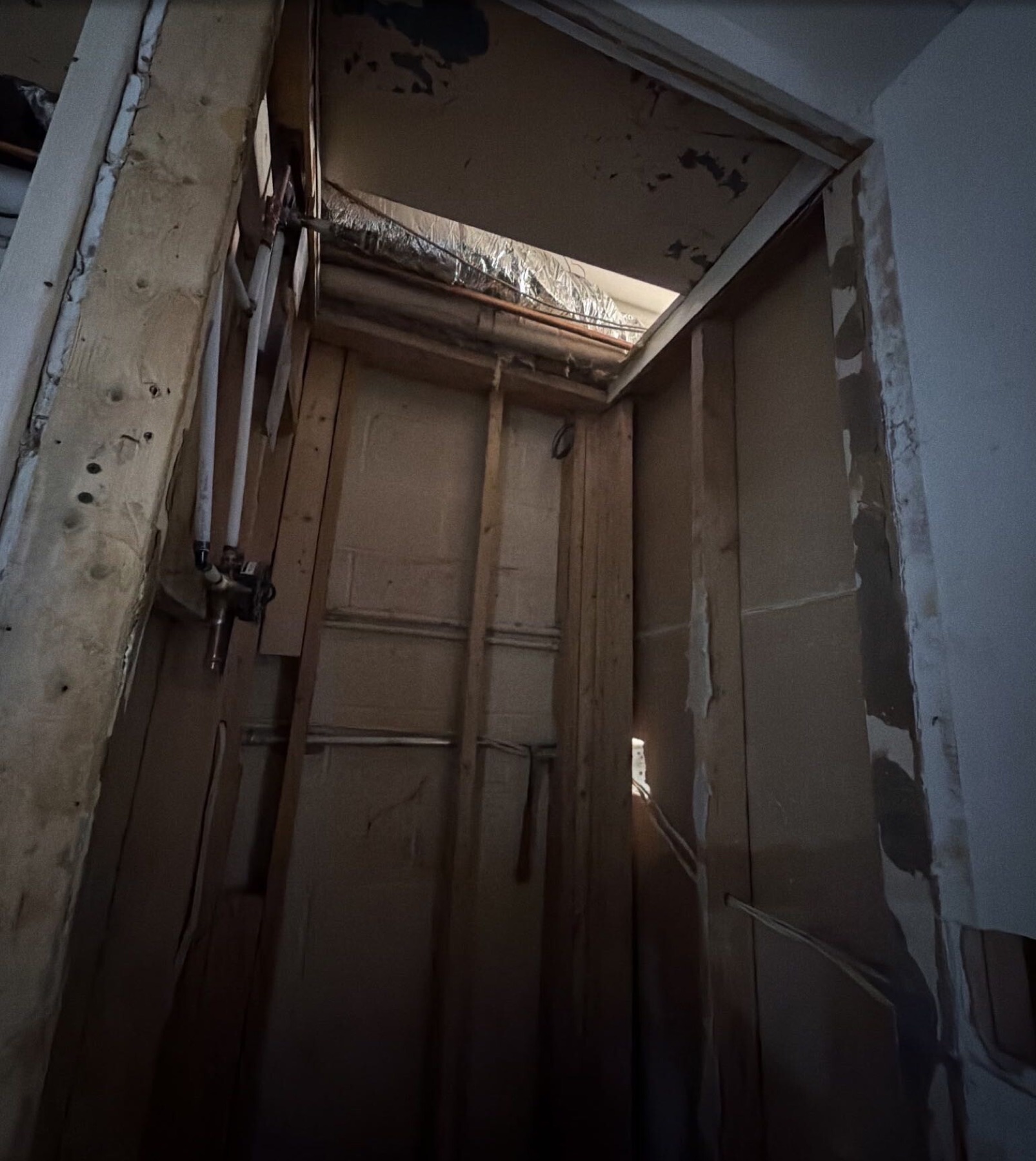
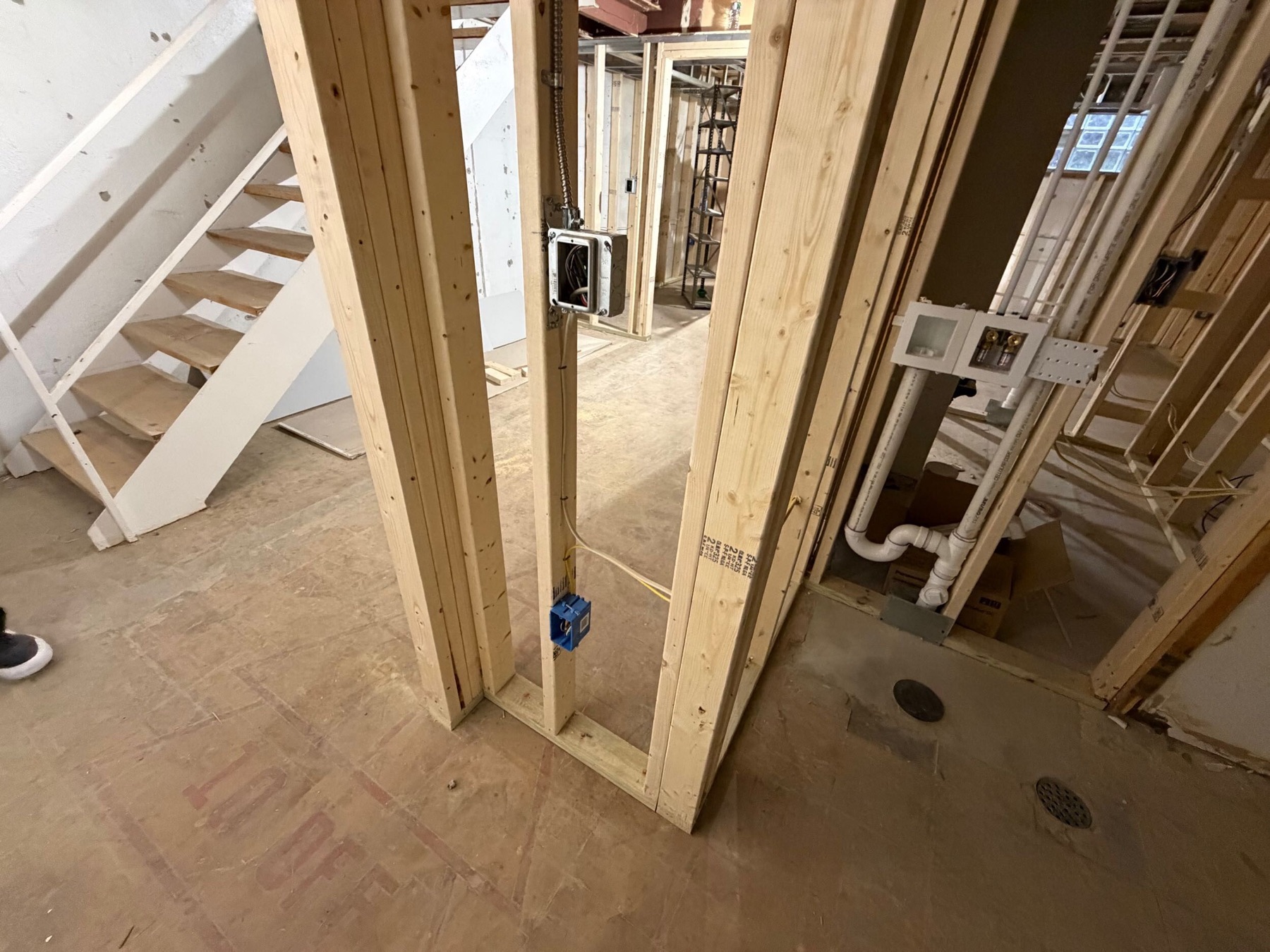
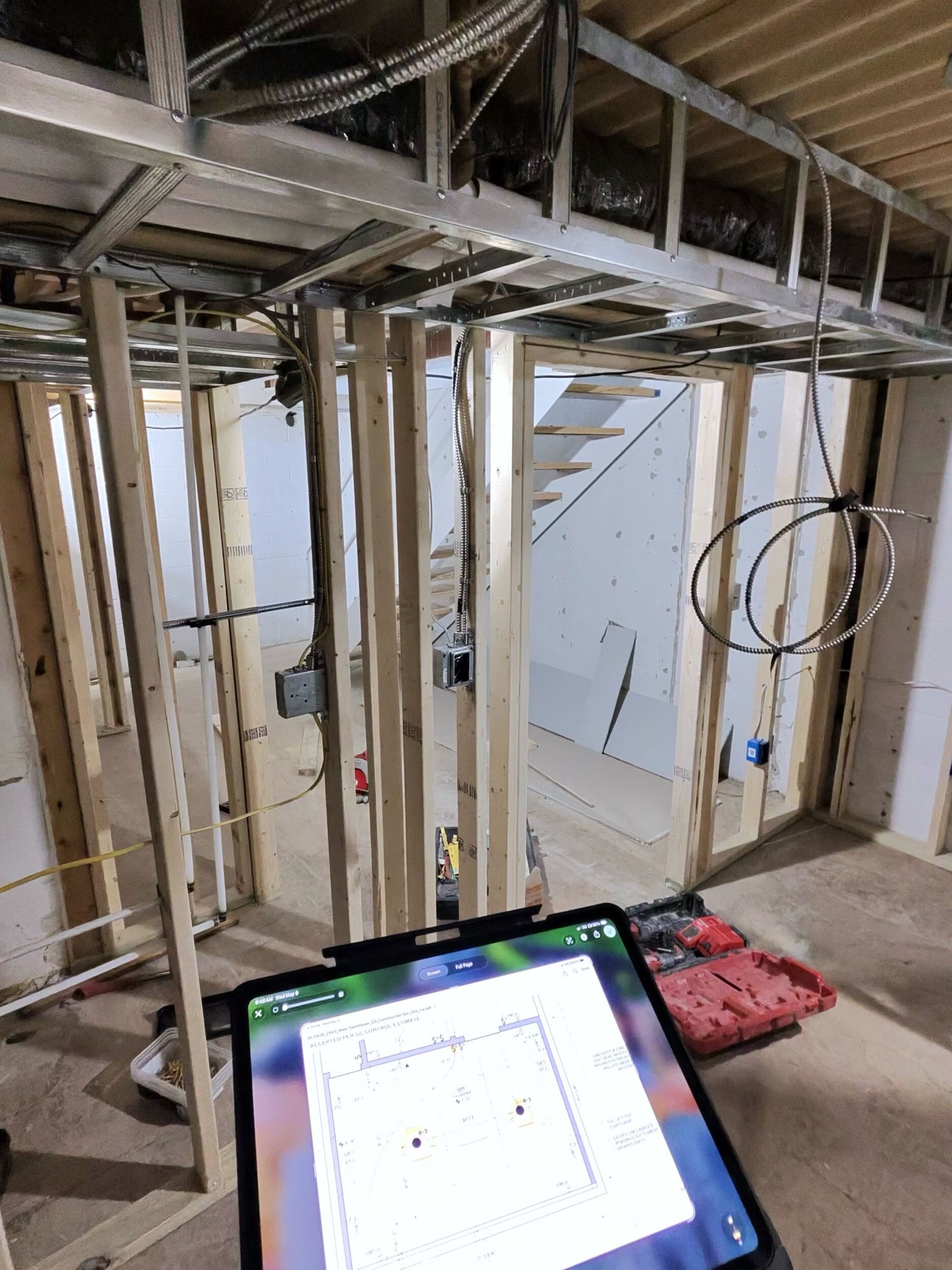
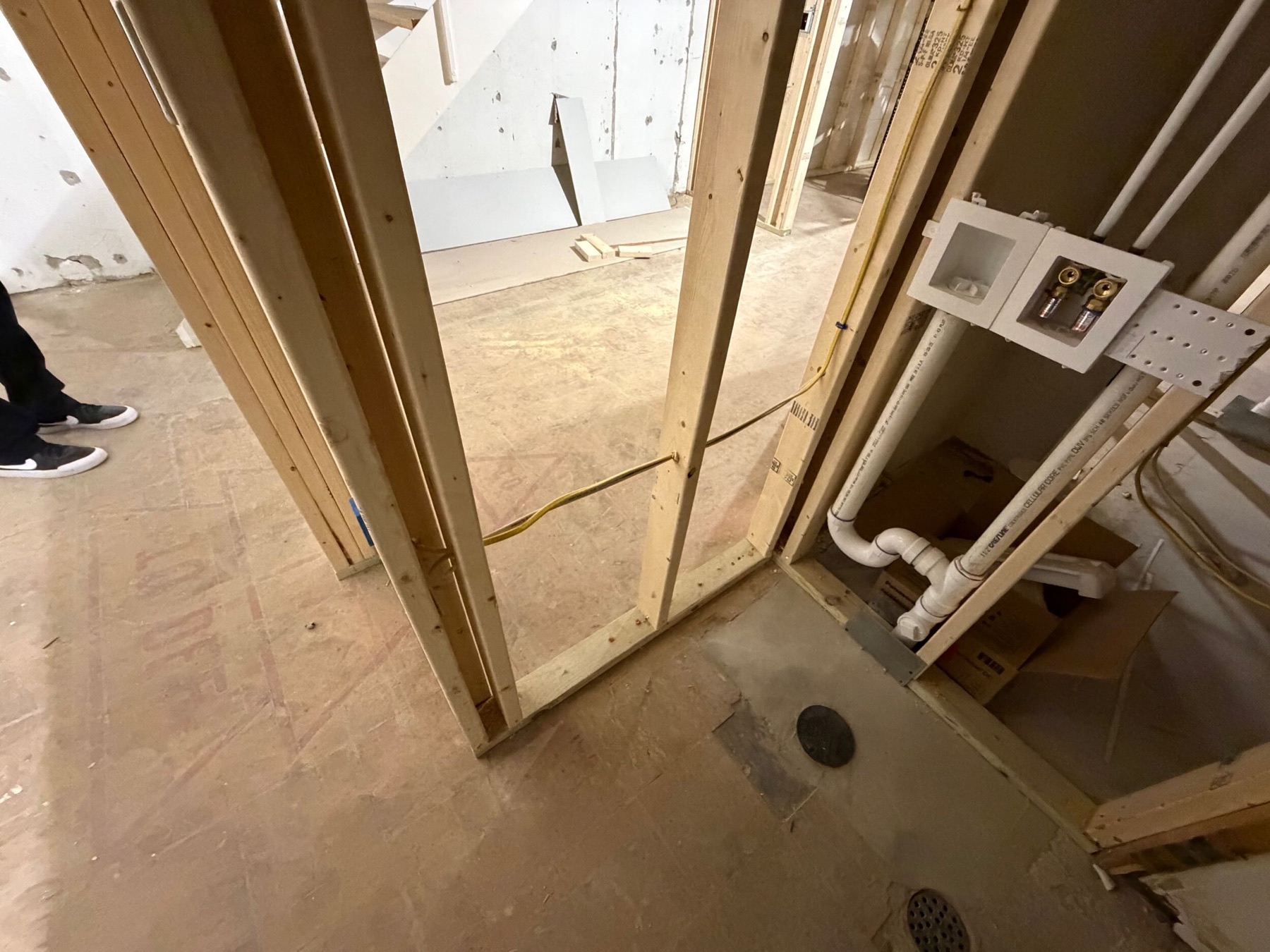
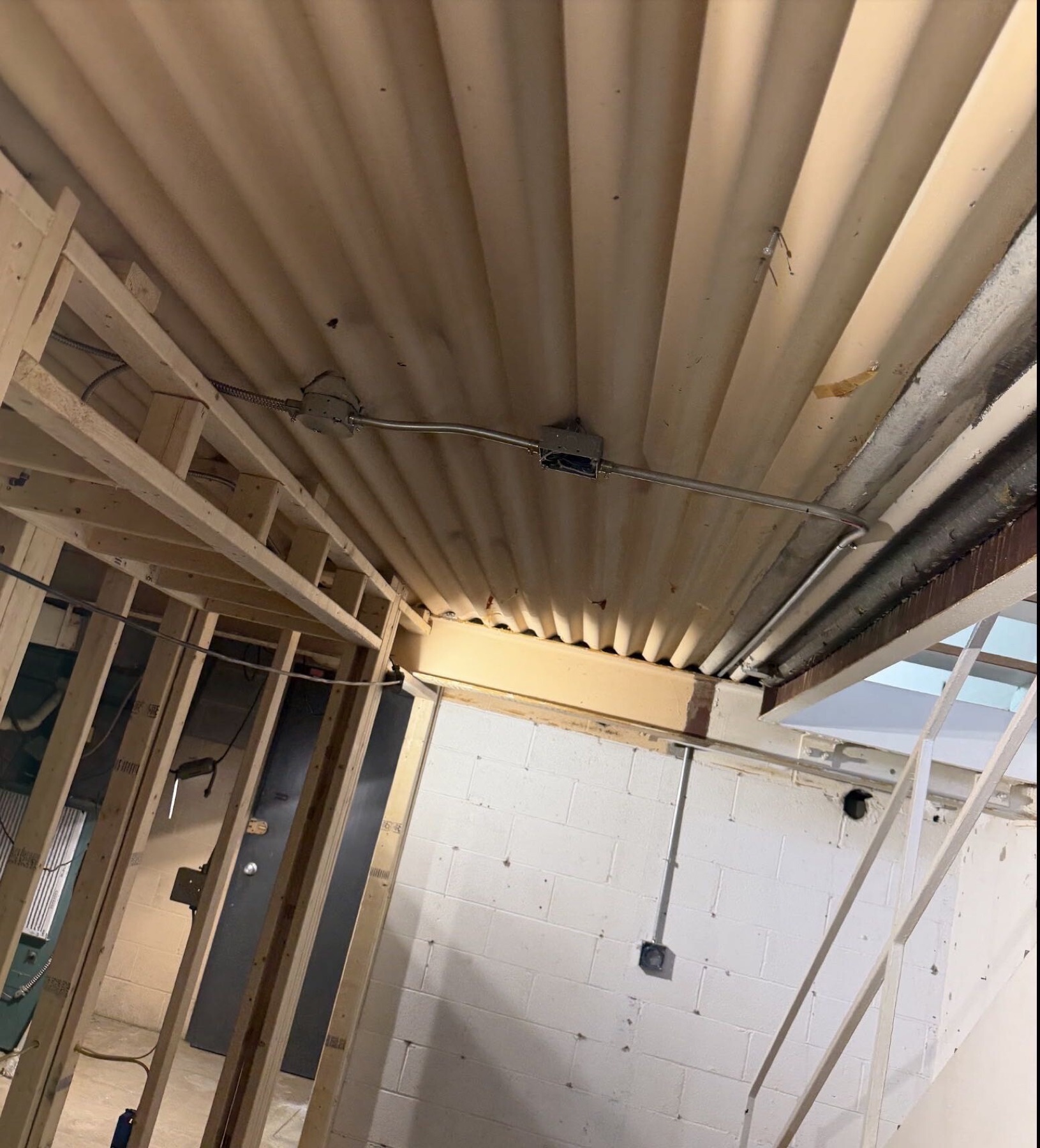
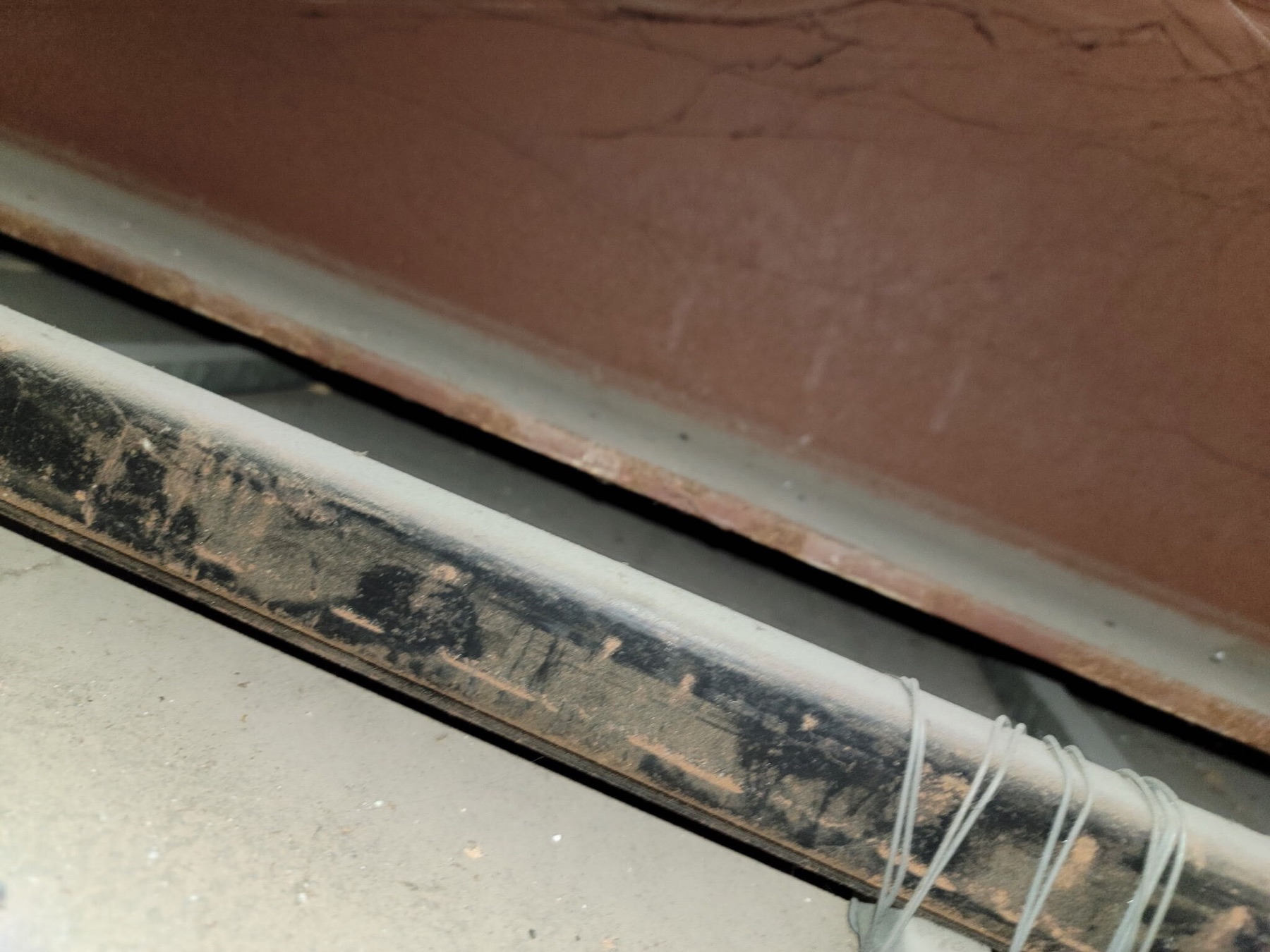
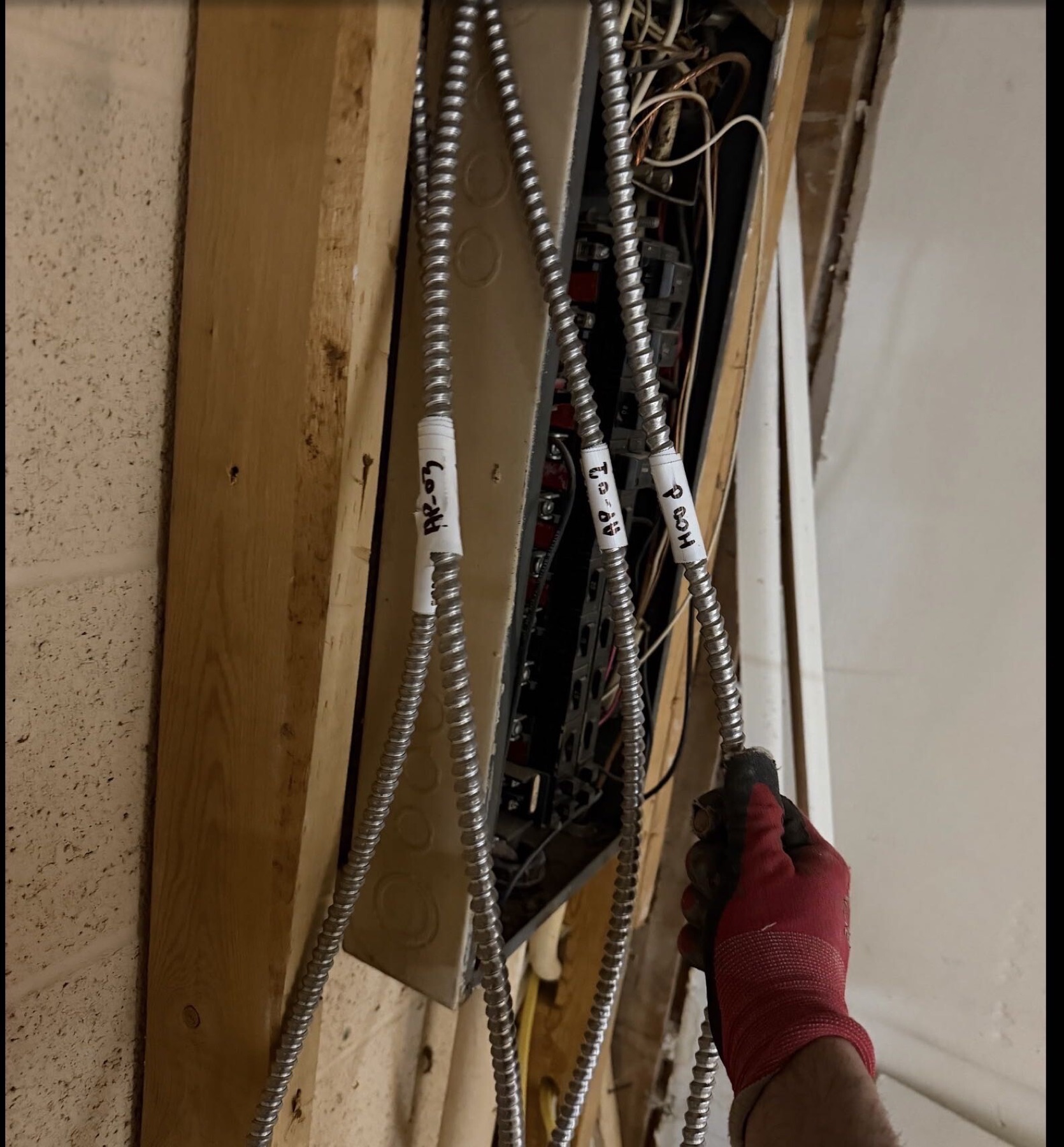
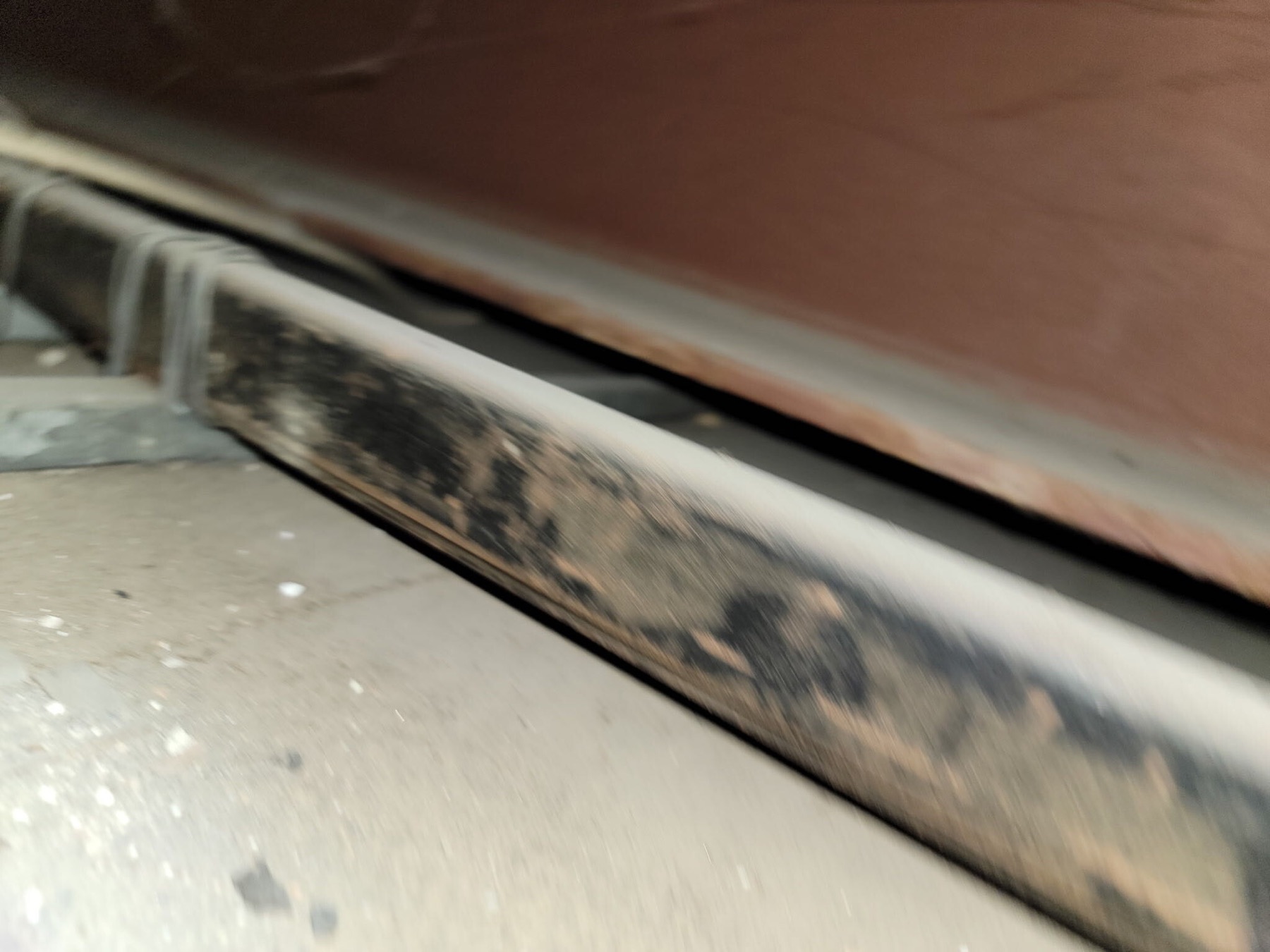
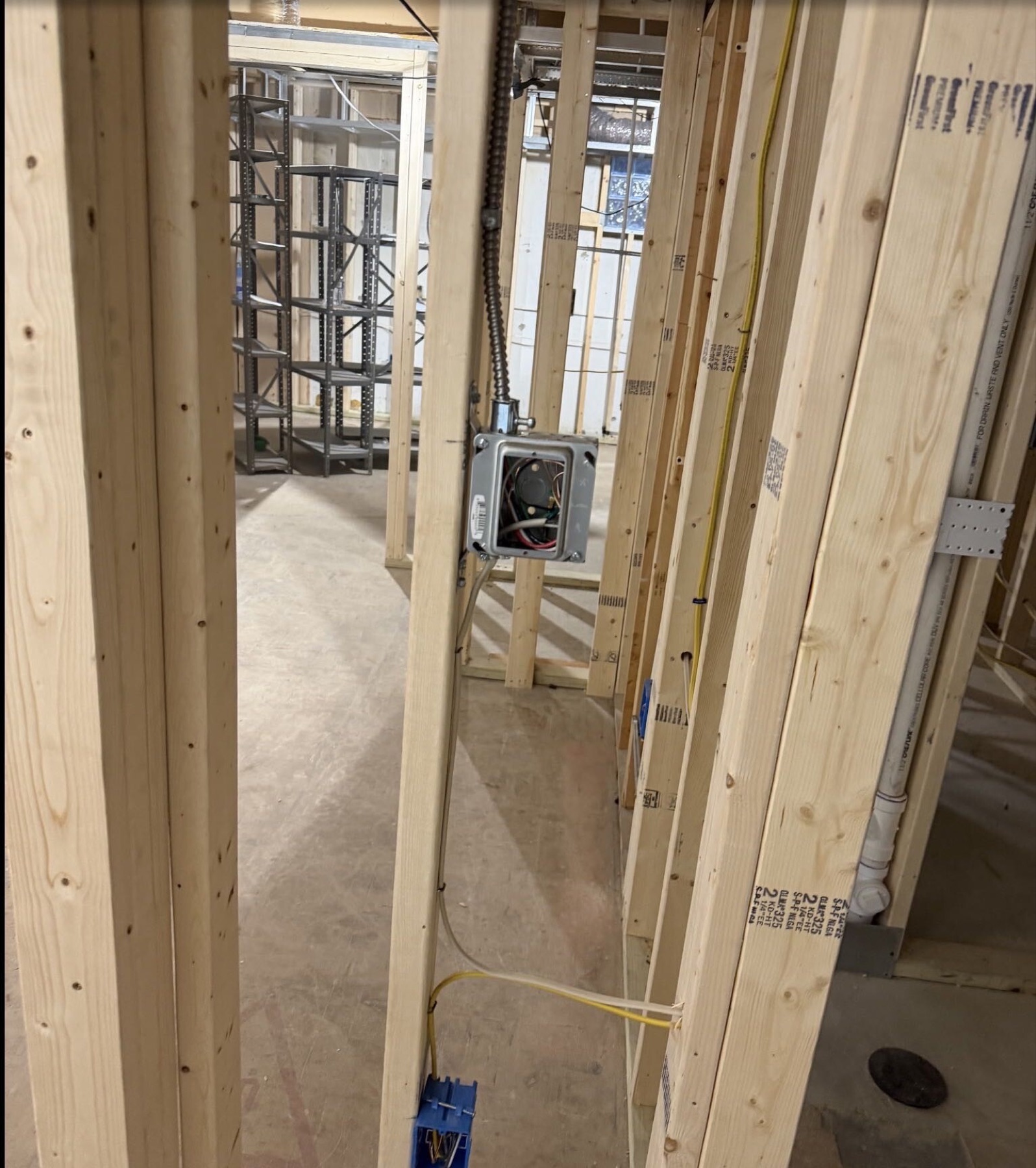
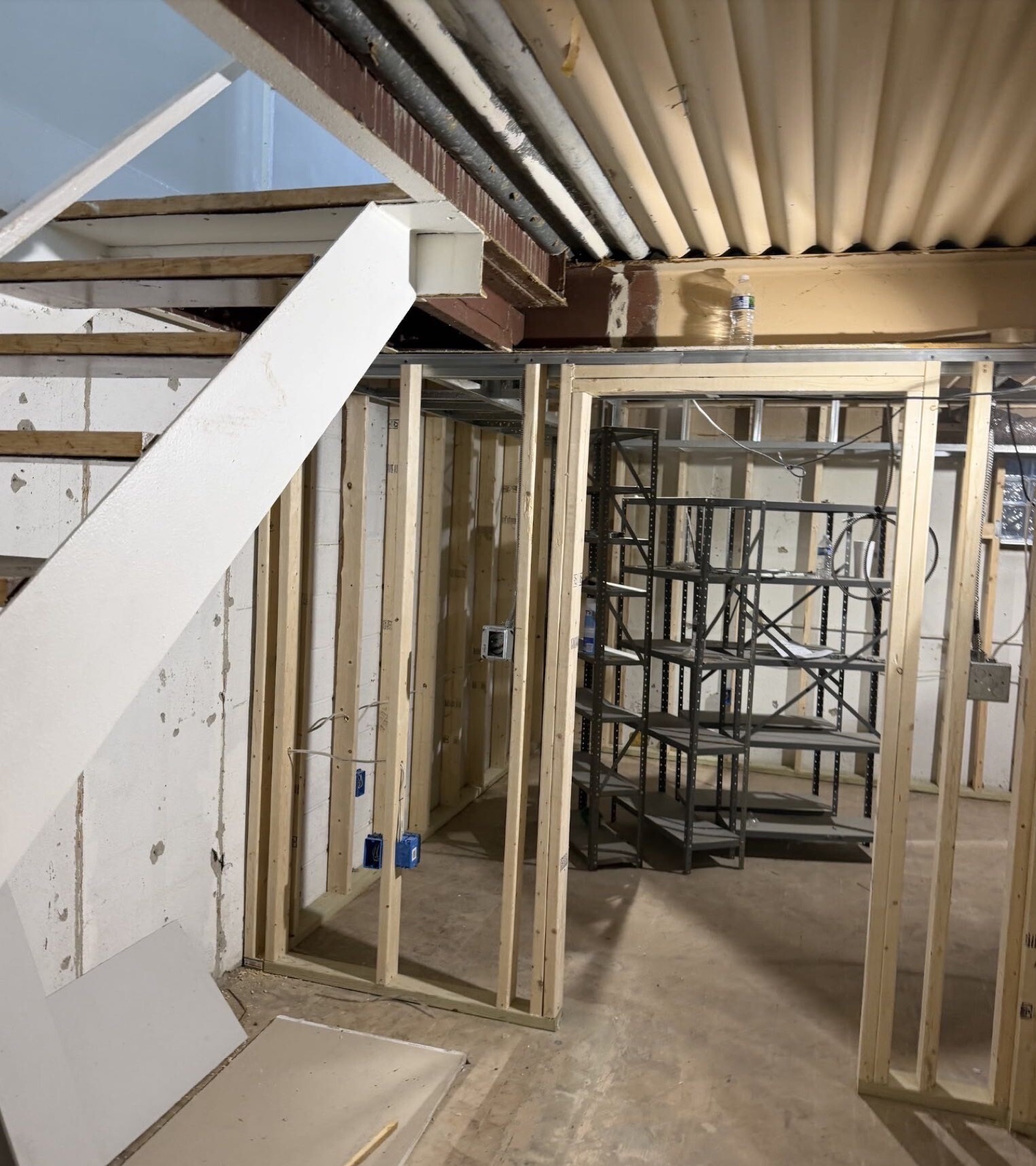
Basement / lower levelRough-in, framing, stair relationship, electrical work, and mechanical service areas are documented in the photo sequence.
public-safe project recordrestricted details removed